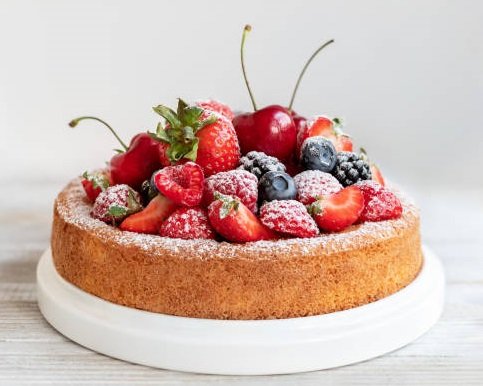
Fruit Cake
Fruit Cake: The Misunderstood Masterpiece of the Baking World
Few baked goods carry as much baggage as the fruit cake. It has been the subject of countless jokes, the punchline of holiday humour, and the dessert most likely to be quietly passed over at a Christmas gathering in favour of something more immediately appealing. And yet, for those who truly understand it — who have tasted a properly made, carefully aged, lovingly spiced version — the fruit cake is nothing short of a revelation. It is time to set the record straight and give this ancient, storied bake the appreciation it so richly deserves.
A History Older Than You Think
The story of fruit cake stretches back centuries, long before modern baking as we know it existed. In medieval Europe, preserved fruits, nuts, and spices were considered luxuries, and combining them into a single baked good was an act of genuine extravagance. These early versions were dense and rich by design — not because bakers lacked skill, but because the ingredients themselves were precious, and every bite needed to count.
As trade routes expanded and sugar became more widely available, recipes evolved. By the 17th and 18th centuries, fruit cake had become firmly embedded in British culture, appearing at weddings, christenings, and Christmas celebrations. The tradition of saving the top tier of a wedding cake — a rich, dark fruit cake — to be eaten at the christening of the couple’s first child speaks to just how deeply this bake was woven into the fabric of significant life events. It was not merely food. It was ceremony.
The Science of Longevity
One of the most remarkable things about a well-made fruit cake is its extraordinary shelf life. While most baked goods begin to stale within days, a properly prepared fruit cake can last for months, and in some cases, years. This is not magic — it is chemistry.
The high sugar content of the dried fruits, combined with the alcohol used to soak and feed the cake over time, creates an environment that is deeply inhospitable to the bacteria and moulds that cause spoilage. A dark fruit cake soaked regularly with brandy, rum, or whisky essentially preserves itself, developing in complexity and depth of flavour the longer it is stored. The alcohol softens the dried fruits further, melts into the dense crumb, and carries aromatic compounds from spices like cinnamon, nutmeg, and cloves into every corner of the loaf. What comes out of the oven on baking day is only the beginning. The best version of that cake may not exist for another three months.
The Ingredients That Make It Great
At the heart of every exceptional fruit cake is the quality of its components. Dried fruits — sultanas, raisins, currants, glacé cherries, candied peel — should be plump and full of flavour, ideally soaked overnight or longer in alcohol before they ever meet the batter. Nuts add texture and a gentle bitterness that balances the sweetness: almonds, pecans, and walnuts all have their advocates. Dark muscovado sugar brings a deep, almost molasses-like richness that lighter sugars simply cannot replicate. And the spices — warming, fragrant, generous — are what give a fruit cake its soul.
The fat matters too. Butter, used at room temperature and beaten until pale, creates a base that carries all of these flavours with elegance and body. Some bakers swear by adding a tablespoon of black treacle for colour and an extra layer of bittersweet complexity. Others include a small amount of ground almonds in place of some flour, which keeps the crumb tender and moist even after extended storage.
Every decision, every substitution, every small adjustment shapes the final result. This is not a bake that rewards carelessness. It rewards attention.
Addressing the Reputation Problem
So why does fruit cake have such a poor reputation in popular culture, particularly in North America? The answer lies largely in mass production. The commercially produced versions that line supermarket shelves in the weeks before Christmas bear almost no resemblance to a homemade version built from quality ingredients and given proper time to mature. They are often cloyingly sweet, waxy in texture, and flavoured with artificial essences that bear only a passing resemblance to the real thing. Eating one of these and concluding that all fruit cake is bad is like eating a fast-food burger and deciding beef is overrated.
The other issue is familiarity — or rather, the lack of it. Many people who claim to dislike fruit cake have never actually tasted a good one. They are reacting to a reputation rather than an experience. Introduce them to a slice of a properly matured, home-baked version, served at room temperature with a cup of strong tea or a small glass of something warming, and watch their expression change.
Modern Takes on a Classic
Contemporary bakers have found wonderfully creative ways to reimagine fruit cake for a new generation of eaters. Light and fragrant versions packed with tropical fruits — mango, pineapple, papaya — and soaked in coconut rum have found enthusiastic audiences in warmer climates. Gluten-free adaptations using ground almonds or rice flour have made the bake accessible to those with dietary restrictions. Mini individual fruit cakes, elegantly wrapped, have become popular as gifts and wedding favours, introducing the format to people who might never have sought it out on their own.
There are even no-bake versions, raw fruit cake rounds made from blended dates, nuts, and spices that capture some of the spirit of the original in a form that requires no oven at all. While purists may raise an eyebrow, anything that brings more people into an appreciation of what fruit cake can be is surely a welcome development.
A Bake Worth Defending
Ultimately, fruit cake deserves its place at the table — not out of tradition alone, but because when it is made well, it is genuinely, deeply delicious. It is complex where most cakes are simple, enduring where most are fleeting, and deeply connected to history, culture, and the kind of slow, intentional cooking that feels increasingly rare. Give it the time, the quality ingredients, and the open mind it deserves. You may find yourself becoming its most passionate defender.